Signs Your Door Knob Lock Needs Replacing, Not Just Repair
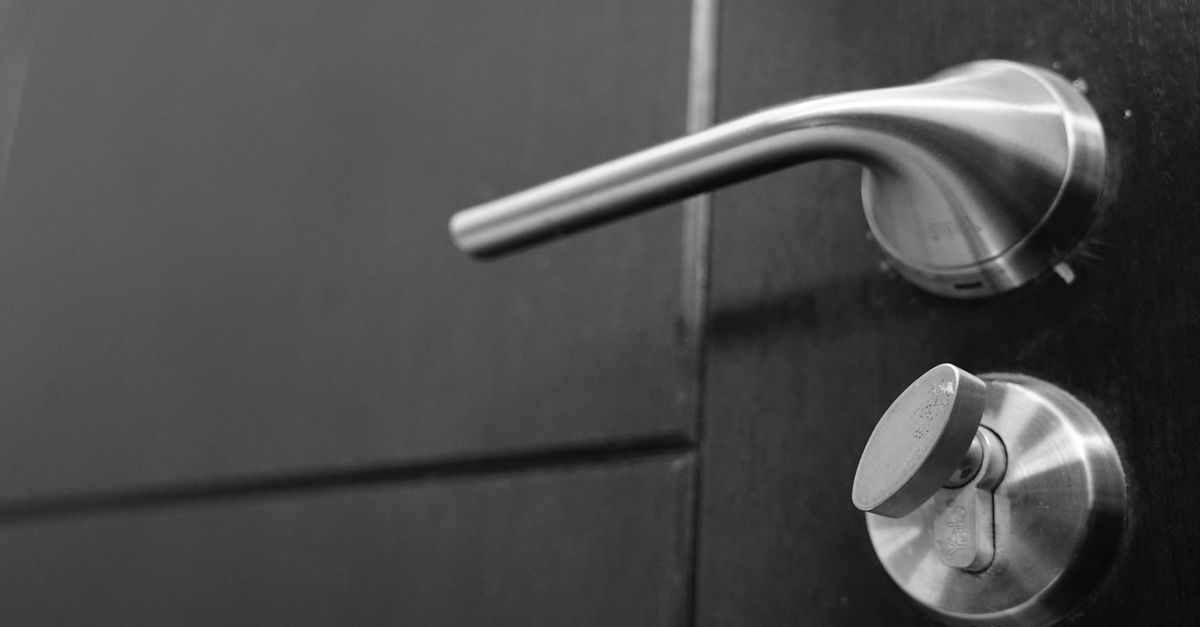
A sticking or grinding knob can sometimes be resolved with a quick lubrication, but there are clear signals that replacement is the smarter call. If the key turns but the latch bolt no longer retracts fully, the internal cam or spindle is likely cracked — lubrication will not fix a broken mechanism. A loose knob that wobbles even after tightening the set screws usually means the rose plate or internal chassis has worn past tolerance. Visible corrosion, a keyway that accepts the key but fails to rotate the cylinder, or a knob that turns freely in both directions without resistance are all signs the lock has reached end of life. In older Marshallton properties — particularly the brick colonials and cape cods that were built through the 1950s and 60s — original hardware was often a light-duty passage grade that simply was not designed for decades of daily use.
One scenario that homeowners sometimes overlook is a door knob with lock that feels fine from the outside but has a failed privacy button on the interior. For a door knob with lock for bedroom use, that interior privacy function is the entire security point. If the push-button or turn-button no longer holds the latch in the locked position, the knob is effectively a passage set and should be replaced before you rely on it. Our technicians inspect both sides of the door and the latch assembly itself — not just the visible hardware — so you get an honest assessment of what actually needs to change.