How Car Key Replacement Works for Major Vehicle Brands
The process of replacing a key differs meaningfully from one manufacturer to the next. For Ford, GM, and Chrysler vehicles built in the past two decades, most keys contain a transponder chip that must be cloned or freshly programmed to match the vehicle's ECU before the engine will start. Our technicians use professional-grade key programmers to read the immobilizer data and write the correct codes to a new key blank — a process that requires both the right hardware and hands-on experience with each platform's unique protocol. Toyota and Honda vehicles, particularly models from 2010 onward, often use proximity smart keys or push-to-start fobs that require a slightly different sequence of programming steps, including placing the vehicle into a specific pairing mode before the new key is accepted.
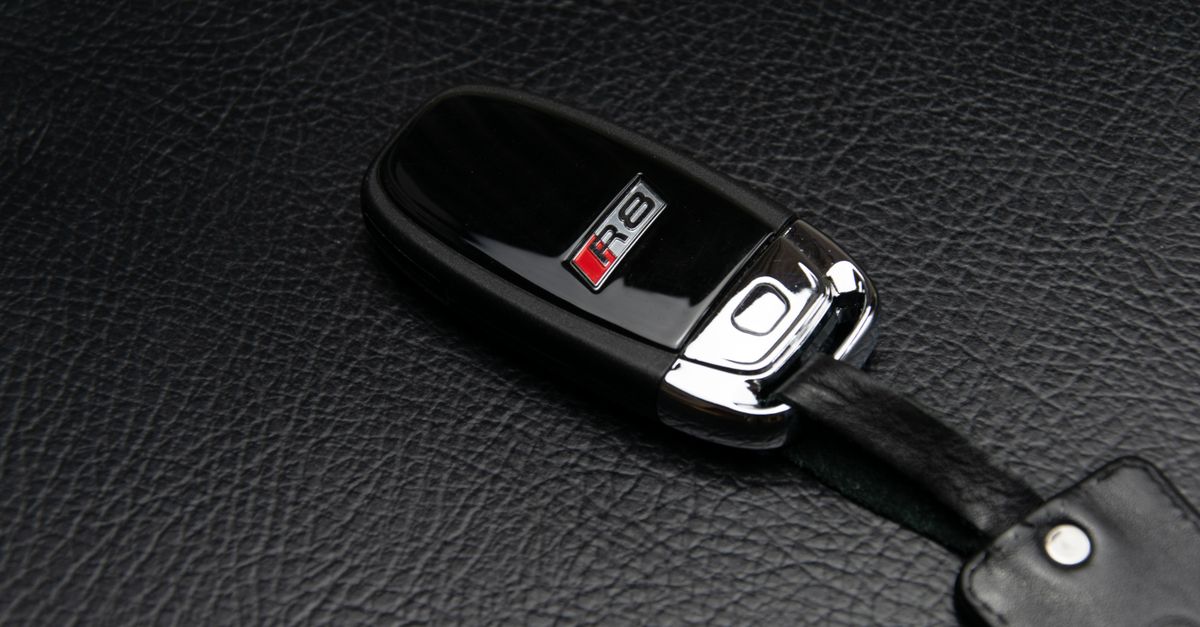
European makes like BMW, Mercedes-Benz, Audi, and Volkswagen tend to use more tightly secured immobilizer architectures, which means the programming process can involve additional verification steps and, in some cases, reading data directly from the vehicle's onboard diagnostics port. Hyundai, Kia, Subaru, and Nissan each have their own key systems as well, and our mobile unit is stocked with the blade blanks and fob shells matched to these brands so that a complete working key — cut, programmed, and tested — can typically be delivered at your location without a dealer visit.